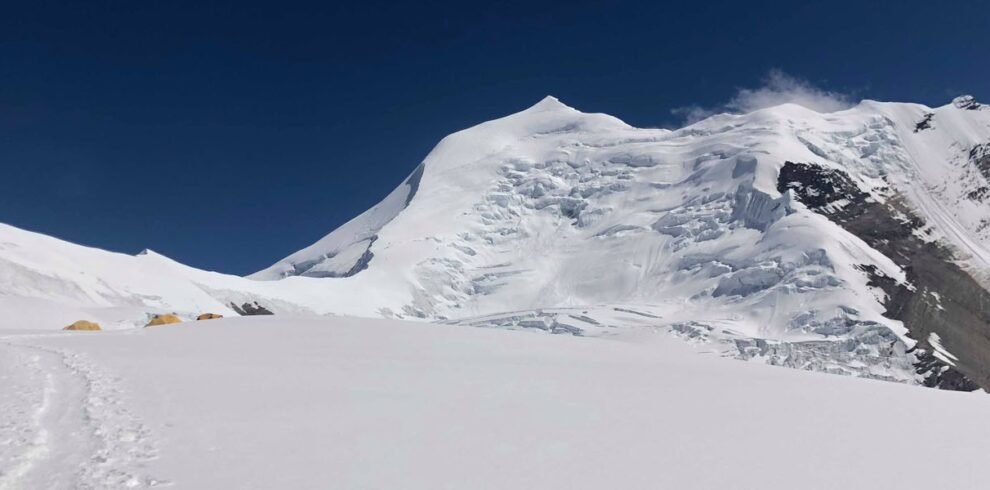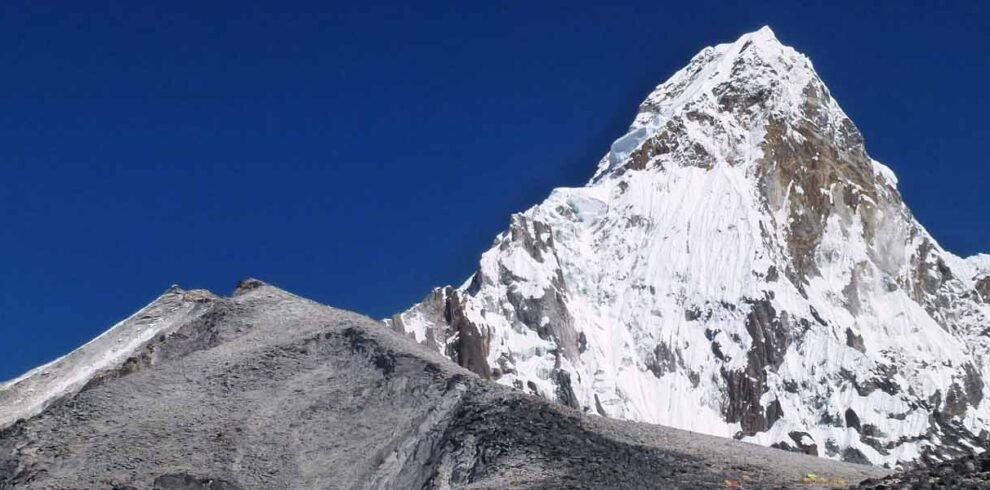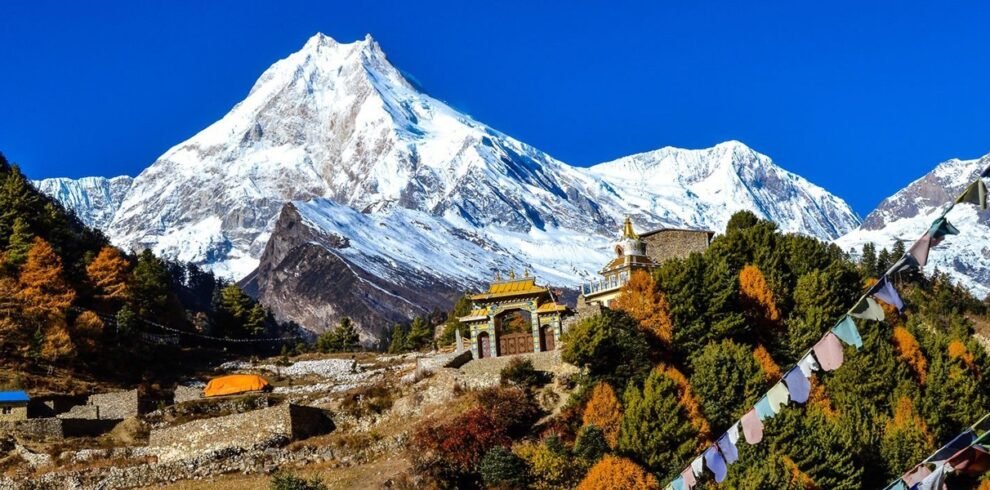
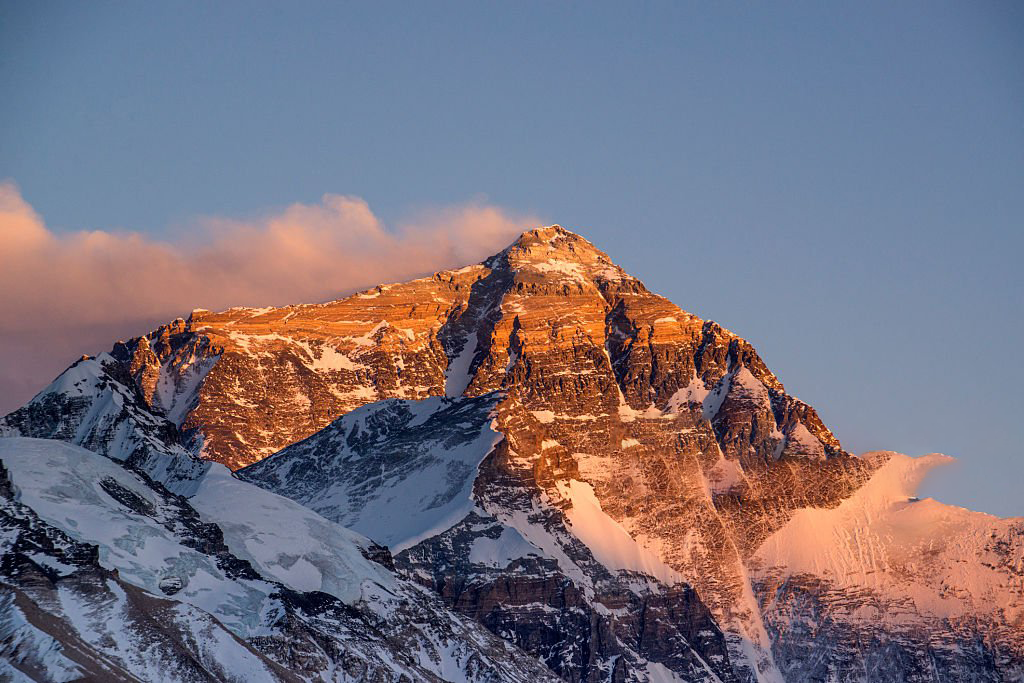
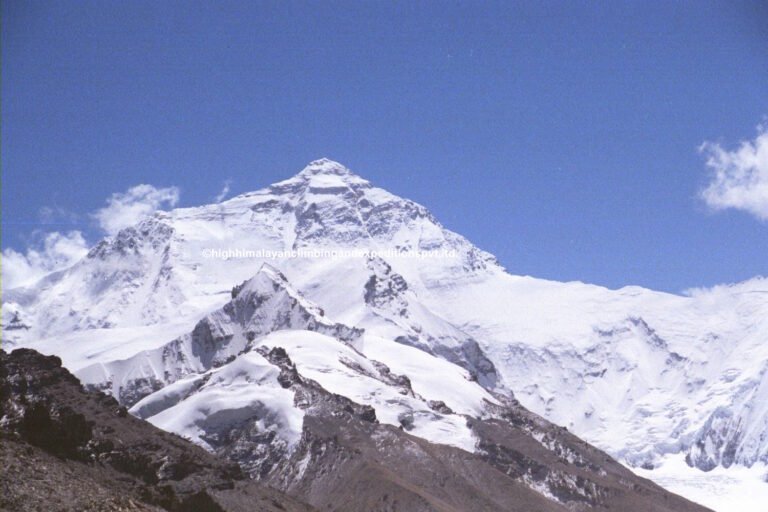
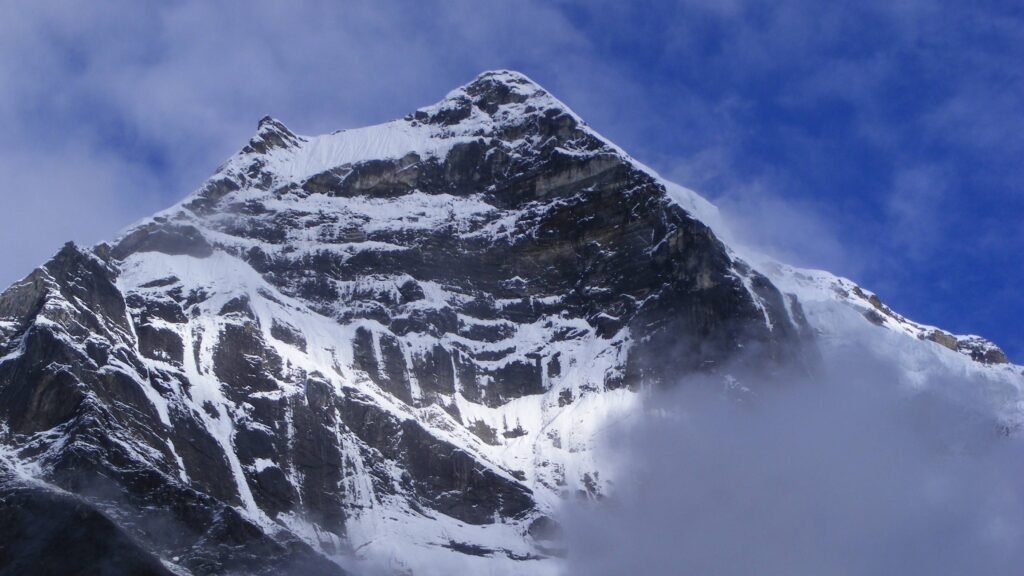
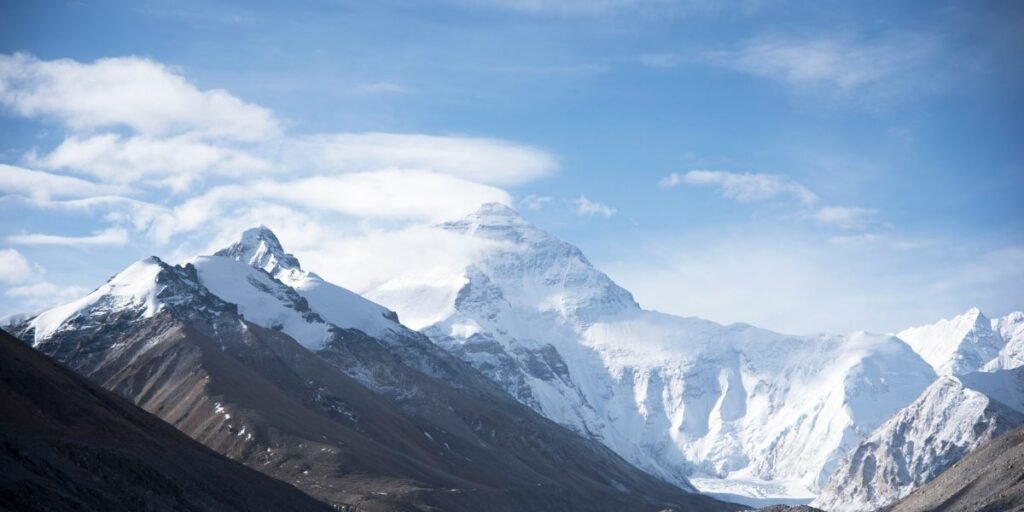
The South Col is a high mountain pass located between Mount Everest and Lhotse, the world’s highest and fourth-highest peaks, respectively. Known for strong winds that keep snow accumulation minimal, the South Col has become a key route for climbers. Since Tibet’s closure in 1950, most Everest expeditions have approached from Nepal, ascending via the southeast ridge and the South Col rather than the North Col. For those attempting Everest from the southeast ridge, the final camp—Camp IV—is typically established on the South Col.
The South Col was first reached on 12 May 1952 by Aubert, Lambert, and Flory during Edouard Wyss-Dunant’s Swiss Everest Expedition, which ultimately did not summit. The following year, during the first successful ascent of Everest, Wilfrid Noyce and Sherpa Annullu were the first members of the expedition to reach the col. According to expedition leader John Hunt.
Trip Info
-
Hotel/Tea houses.
-
Sep-Nov & March-May
-
8848.86m
-
Fly/Car/Jeep/ Bus
-
5/6 hours
Overview
The South Col is a high mountain pass between Mount Everest and Lhotse, the world’s highest and fourth-highest peaks. Strong winds often sweep the Col, preventing significant snow from accumulating. Since 1950, when Tibet closed to climbers, most Everest expeditions have approached from Nepal, following the southeast ridge and passing through the South Col rather than the North Col. For those ascending via the southeast ridge, the final camp—typically Camp IV—is located on the South Col.
Trip Highlights
- Expedition Name: Mount Everest Expedition
- Experienced as well as already attempt several peaks above 7000 m to 8000 meters)
- All the Nights’ Accommodation: Mountains Lodges (Guest House) and Comfortable Tented Camp at Base Camp, Camp (I) , Camp (II), Camp (III) and Camp (IV) before summit
- Transportation: Land transportation (Car, Van, Local bus, Tourist Bus) or Private Jeep as per Guests required.
- Attractions: you will have an Amazing view of Everest is the Highest mountain in the world at 8848 meters above sea level. Mount Everest is known as ‘Sagarmatha’ in Nepali language the meaning “Peak of Heaven” and Chomolungma in Tibetan language which means “Goddess Mother of the World” also several beautiful villages, waterfalls, River, nature & culture .
- Grade: Moderate & Technical climbing.
- Best Season: Spring Only (April to end of May) 2 months.
- Walking hours: per day 5 to 6 hours .
- Point of entry into the Park: Jorsalle.
- Point of Exit into the Park: Jorsalle.
- Minimum Altitude: Phakding 2610 Meters
- Maximum Altitude: Mount 8848 Meters
Itinerary
Upon arrival at Tribhuvan International Airport, you will be greeted and transferred to your hotel in the heart of Kathmandu. Take some time to rest and recover from your journey. Depending on your arrival time, you may choose to explore the bustling streets of Thamel, shop for trekking gear, or simply enjoy the vibrant sights and sounds of Nepal’s capital. In the evening, savor a traditional Nepali meal and prepare for the exciting adventure ahead.
After breakfast, the day begins with essential preparations for your expedition. You will visit the relevant Nepalese tourism and trekking authorities for necessary briefings, permits, and documentation. This includes discussions on safety regulations, route guidance, and local guidelines for trekking and mountaineering. The team will also review your gear, provide tips on acclimatization, and answer any last-minute questions. In the evening, return to the hotel to rest, ensuring you are fully ready for the journey ahead.
Early in the morning, take a scenic flight from Kathmandu to Lukla, known for its dramatic mountain runway and stunning Himalayan views. Upon arrival in Lukla, meet your trekking team and begin your trek towards Phakding. The trail follows the Dudh Koshi River, passing through charming Sherpa villages, suspension bridges, and pine forests. The trek is gentle, allowing you to adjust to the altitude while enjoying the first glimpses of snow-capped peaks. Arrive in Phakding in the afternoon, settle into your teahouse, and relax after your first day on the trail.
After breakfast, continue your trek along the Dudh Koshi River, passing through picturesque villages and dense forests. The trail gradually ascends, crossing several suspension bridges and offering stunning views of the surrounding Himalayan peaks, including Thamserku and Kusum Kanguru. As you approach Namche Bazaar, the gateway to the Everest region, the terrain becomes steeper. Upon arrival in this bustling Sherpa town, take time to explore its lively market, traditional teahouses, and local culture. Overnight in Namche Bazaar, giving your body a chance to acclimatize to the higher altitude.
Today is a well-earned rest day to help your body adjust to the higher altitude. You can take short hikes around Namche Bazaar to aid acclimatization, such as a walk to the Everest View Hotel or to nearby viewpoints offering breathtaking panoramas of Everest, Lhotse, and Ama Dablam. Explore the vibrant market, interact with the friendly Sherpa locals, and learn about their culture and traditions. Use this day to relax, hydrate well, and prepare mentally and physically for the challenging trek ahead. Overnight stay in Namche Bazaar.
After breakfast, begin your trek from Namche Bazaar towards Tengboche, a journey that takes you through lush rhododendron and pine forests. The trail gradually ascends, offering spectacular views of Ama Dablam, Thamserku, and other Himalayan giants. Along the way, you’ll pass small Sherpa villages and prayer wheels, soaking in the spiritual atmosphere of the region. Upon reaching Tengboche, visit the famous Tengboche Monastery, the largest in the Khumbu region, perched with a stunning backdrop of Everest and Ama Dablam. Spend the evening enjoying the serene surroundings, preparing for the trek to Dingboche the next day. Overnight stay in Tengboche.
After breakfast, continue your trek deeper into the Khumbu region, leaving the forested slopes of Tengboche behind. The trail gradually climbs through alpine meadows and rocky terrain, offering panoramic views of Ama Dablam, Lhotse, and Island Peak in the distance. Along the way, you may pass mani walls, prayer flags, and small Sherpa settlements, giving insight into local culture and traditions. Arrive in Dingboche in the afternoon, a charming village nestled in a high-altitude valley, perfect for acclimatization. Take time to rest, hydrate, and enjoy the spectacular mountain scenery. Overnight stay in Dingboche.
Today is a rest and acclimatization day to help your body adjust to the higher altitude. You can take a short hike to Nangkar Tshang Peak viewpoint or nearby trails, which allows your body to adapt while offering breathtaking panoramic views of Ama Dablam, Lhotse, and Island Peak. Spend time exploring Dingboche village, observing Sherpa culture, prayer flags, and mani walls. Hydrate well, enjoy local meals, and rest in preparation for the challenging trek to Lobuche tomorrow. Overnight stay in Dingboche.
After breakfast, begin the trek from Dingboche towards Lobuche. The trail gradually climbs through a high-altitude landscape of rocky paths and sparse vegetation. Along the way, you’ll enjoy stunning views of the Khumbu Glacier, Pumori, and the surrounding peaks. The climb is steady, helping your body adjust to the increasing altitude. Upon arrival in Lobuche, settle into your teahouse and rest, taking in the majestic mountain scenery. This evening, focus on hydration and light meals to prepare for the next day’s trek to Gorak Shep and Everest Base Camp. Overnight stay in Lobuche.
After breakfast, continue your trek from Lobuche towards Gorak Shep, the final settlement before Everest Base Camp. The trail climbs steadily along the Khumbu Glacier, offering close-up views of towering peaks such as Pumori, Nuptse, and Lingtren. The landscape becomes more rugged and glacial as you approach Gorak Shep. Upon arrival, check into your teahouse and rest, taking time to acclimatise to the higher altitude. This evening is spent preparing for tomorrow’s trek to Everest Base Camp, the highlight of your expedition. Overnight stay in Gorak Shep.
Early in the morning, embark on a hike from Gorak Shep to Kala Patthar, the famous viewpoint offering the most spectacular panoramic views of Mount Everest, Nuptse, and Pumori. The trail is steep but rewarding, providing an unforgettable sunrise over the Himalayas. Spend time at the summit, taking photos and soaking in the breathtaking scenery. After descending back to Gorak Shep, rest and recover while enjoying the high-altitude environment. Hydrate well and prepare for tomorrow’s trek to Pheriche. Overnight stay in Gorak Shep.
Today is the most challenging and rewarding day of the expedition—the summit push. Climbers start very early, often before dawn, from the highest camp, usually Camp IV on the South Col, aiming to reach the summit of Mount Everest at 8,848.86 m. The route is steep and exposed, with extreme cold, strong winds, and low oxygen levels. Along the way, climbers pass iconic landmarks such as the Lhotse Face, South Summit, Hillary Step, and the final ridge to the summit. Reaching the top offers an unparalleled panoramic view of the Himalayas, a moment of triumph and achievement after weeks of trekking and climbing. After spending a short time on the summit, climbers carefully descend back to Camp IV, prioritizing safety and energy for the return journey. Overnight stay at Camp IV or lower camp depending on conditions.
After the summit attempt, the next phase of the expedition focuses on a safe and steady return. This period includes descending from high camps to lower camps and eventually to Lukla, allowing the body to gradually adjust from extreme altitudes. Along the way, trekkers revisit key villages such as Gorak Shep, Dingboche, Tengboche, Namche Bazaar, and Phakding, enjoying the scenery, local culture, and reflections on the journey.
During this time, climbers organize gear, ensure all permits and documentation are complete, and take care of any logistical arrangements for departure. The long descent also provides opportunities to rest, acclimatize further if needed, and celebrate milestones with the team. The final days involve returning to Kathmandu, where the expedition concludes with rest, recovery, and reflection on the extraordinary achievement.
After breakfast, begin your trek back from Dingboche towards Tengboche. The trail descends gently through alpine meadows and pine forests, offering sweeping views of Ama Dablam, Thamserku, and other Himalayan peaks. Along the way, pass small Sherpa villages adorned with prayer flags and mani walls, experiencing the rich local culture once again. Upon arrival in Tengboche, visit the famous Tengboche Monastery, if time allows, and enjoy the serene atmosphere amidst the mountains. Overnight stay in Tengboche, resting and reflecting on your journey so far.
After breakfast, continue your descent from Tengboche to Namche Bazaar. The trail winds through pine and rhododendron forests, offering spectacular views of the surrounding Himalayan peaks. Along the way, cross suspension bridges over the Dudh Koshi River and pass through small Sherpa villages, observing local life and culture. Arrive in Namche Bazaar by afternoon, where you can explore the bustling market, enjoy a warm meal, and rest after the day’s trek. Overnight stay in Namche Bazaar.
After breakfast, begin the final leg of your trek, descending from Namche Bazaar to Lukla. The trail passes through forests, rivers, and small Sherpa villages, offering beautiful views of the lower Khumbu region. Along the way, take in the sights of traditional architecture, prayer flags, and the flowing Dudh Koshi River. Arrive in Lukla by afternoon, where you can rest, celebrate the completion of your trek, and prepare for your flight back to Kathmandu the next day. Overnight stay in Lukla.
After breakfast, take a scenic morning flight from Lukla back to Kathmandu. Enjoy breathtaking aerial views of the Himalayas, including Everest, Lhotse, and the Khumbu region, as you descend to the capital. Upon arrival, transfer to your hotel and relax after the trek. The rest of the day is free to explore Kathmandu’s vibrant streets, shop for souvenirs, or enjoy a traditional Nepali meal. Overnight stay in Kathmandu.
Today is a free day to relax and enjoy the sights of Kathmandu. You can explore the bustling streets of Thamel, shop for souvenirs, local handicrafts, trekking gear, and traditional Nepali items. For those interested, optional visits to cultural sites such as Pashupatinath Temple, Boudhanath Stupa, or Patan Durbar Square can be arranged. Spend the day at your own pace, reflecting on your Everest journey and soaking in the rich culture and vibrant atmosphere of Nepal’s capital. Overnight stay in Kathmandu.
Spend your final full day in Kathmandu at your leisure. Explore the vibrant streets of Thamel for shopping, pick up souvenirs, handicrafts, and trekking memorabilia. You may also choose to visit cultural landmarks such as Swayambhunath (Monkey Temple), Boudhanath Stupa, or Patan Durbar Square. Use this day to relax, reflect on your incredible Everest expedition, and enjoy the local cuisine and atmosphere. Overnight stay in Kathmandu.
On the final day of your expedition, after breakfast, you will be transferred from your hotel to Tribhuvan International Airport for your onward flight. Take a moment to reflect on your incredible journey through the Khumbu region and your Everest adventure. Bid farewell to Nepal, carrying memories of the majestic Himalayas, Sherpa culture, and the unforgettable experience of reaching the world’s highest peaks.
Includes/Excludes
Cost Includes
- Arrival and departure transfer services to and from both Domestic and International flight as per itinerary.
- 3 Nights Yak and Yeti or similar hotels accommodation in Kathmandu on B/B basis.
- Experienced and government licensed high altitude trekking guide during the trekking and climbing period.
- Schedule Flight Tickets for Kathmandu-Lukla-Kathmandu sector to all climbing member, Sherpa guide, liaison officer and kitchen staff.
- All trekking and mountaineering equipment like; kitchen tent, stores tent, dining tents, toilet tents, tables, chairs, and cooking utensils for advance Base Camp and camp two.
- Common climbing equipment (necessary fixed and main rope, ice bars, ice screws, snow bar etc)
- Services of cook and kitchen boy at Base Camp and cook at Camp 2
- 3 meals a day (Breakfasts, Lunch and Dinners with tea/ coffee) in available tea house/hotel/lodge during the trekking
- 3 fresh meals a day (Breakfasts, Lunch and Dinners) will be serve at base camp, and camp two.
- All food and fuel for Base Camp and higher camps during expedition for both members and crews.
- Per person 60kg baggage allowance during trekking-up carrying by porter or Yak to climbing the Mt. Everest.
- Daily Weather Report Services from Seattle based
- Trekking Permit (Everest National Park entry fee)
- khumbu pasang lhamu rural municipality.
- Expedition Royalty and climbing permit of Nepal Government to climb Mt. Everest (8848M).
- Nepalese Government Royalty and fees;
- One Experienced, Trained, Government Licensed, and 03 Times Everest Summiteers Climbing/expedition Guide (Sherpa) per client.
- All wages, equipment, medical and accidental Insurances for all involved staffs in trekking and expedition.
- Medical consultation services at the base camp with the HRA clinic at the base camp.
- Equipment allowances and wages for Climbing Sherpa’s, cooks, kitchen boys.
- Equipment allowances and wages for Government Liaison Officer.
- First Aid medical kits for the Group and the staffs.
- Satellite phone carrying by Guide for communication and available for members with the cost of US$ 3 per minute call.
- Appropriate food for high altitude and all climbing crew at base camp and above as required.
- Required fixed and dynamic rope during climbing period.
- Heater will be provided at base camp for heating the dining room.
- Emergency Oxygen, mask and regulator provided on requirement of guest with appropriate charge
- Each expedition member will have an individual tent available in the ABC.
- Solar panel for light and battery charger.
- All tents for camp 1, 2, 3 and 4 for members and staff.
- Ice fall charges by Sagarmatha Pollution Control Committee.
- Gamow Bags (Portable Altitude Chamber).
- 7 Bottles (28L) of Poisk Oxygen will be provided each members (we use Poisk brands of the Oxygen)
- Latest model of Summit or Top out system mask and regulators
- Sherpa's tents, food for climbing, and insurance for staff
- Helicopter rescue insurance for high altitude climbing Sherpa guide, cook and staff.
- Free assistance service for Cargo clearance and Duties.
- Fresh cooked food and kitchen will be provided at camp two.
- Trekking and Climbing map of the Mount Everest.
- EPI Cooking gas, stove will be provided in camp one, three and south col for cooking food, boiling water.
- Generator will be providing for back- up of lighting power and charging electronic tools.
- Transportation of food supply to Base Camp from Kathmandu (Cargo to Lukla and then by porter/Yaks to base camp)
- Our service charge and Government Taxes levied in Nepal.
- Complete pre-departure information
- Flight ticket reconfirmation
- visa extension procedure services (if necessary)
- Farewell Dinner in a typical Nepali restaurant with domestic culture show in Kathmandu.
Cost Excludes
- Lunch and Dinner during your stay in Kathmandu (except for the farewell dinner)
- Any packed food/snacks, aerated drinks, energy drinks, mineral water, alcohol, cigarettes, chocolates, nutria-bars during the trekking.
- Items of personal nature, Laundry Expenses, Tips.
- Any extra expenses arising out of various/unforeseen situations like natural calamities, landslides, political disturbances, strikes, changes in Government regulations, etc.
- Extra transportation then display in itinerary program.
- Any additional staff other than specified.
- Rescue, Repatriation, Medicines, Medical Tests and Hospitalization expenses.
- Medical Insurance and emergency rescue evacuation if required.
- Travel Insurance and helicopter rescue.
- Wallie-talkies & Filming permit (if special camera or walkies-talkies).
- Personal climbing gears;
- Expenses incurred towards usage of landlines, mobiles, walkies-talkies or satellite phone And Internet expenses
- Clothing, Packing Items or Bags, Personal Medical Kit, Camera/Video Fees or Trekking Gears
- Nepal custom duty for import of expedition goods.
- Summit bonus for climbing Sherpa Guides as per Mountaineering Association rules. Minimum US$ 1500.00 per climbing Sherpa guide.
- Tips and gifts for base camp and high altitude trekking and climbing staff are mendetary.
- Airfare of international flights.
- Nepal entry visa fee (Visa issuance on arrival in Kathmandu)
- Any extra services or products or offers or activities which are not mentioned in the itinerary.
- Any other item not included in “COST INCLUDES” section.
FAQs
The optimal seasons are pre-monsoon (March to May) and post-monsoon (late September to November). These periods offer stable weather, clearer skies, and safer trekking conditions. The spring season is especially popular for summit attempts.
While some trekking sections are manageable for experienced trekkers, Everest Base Camp treks are high-altitude journeys requiring good fitness and acclimatization. Summit attempts demand prior high-altitude climbing experience, strong physical conditioning, and proper mountaineering skills.
Most comprehensive Everest expedition packages include:
- Trekking permits and national park fees
- Accommodation in teahouses along the route
- Three meals per day during trekking
- Experienced Sherpa guides and porters
- Oxygen tanks and high-altitude safety equipment (for summit attempts)
- Kathmandu airport transfers and internal flights (Kathmandu–Lukla–Kathmandu)