Your safety, health, and overall well-being are our highest priorities. Nepal is a rewarding and welcoming destination, and following these simple guidelines will help ensure your journey is smooth, enjoyable, and responsible.
1. General Safety
Nepal is considered a safe country for travelers, with violent crime being rare. As with any destination, we recommend staying aware in busy areas such as Thamel and major city centers. Keep your belongings secure and carry a photocopy of your passport while traveling.
2. Political & Public Situations
Occasional strikes or demonstrations may occur. We advise avoiding large gatherings or protests and staying updated through local news. Our team will always assist in adjusting plans if necessary to ensure your safety.
3. Trekking & Adventure Safety
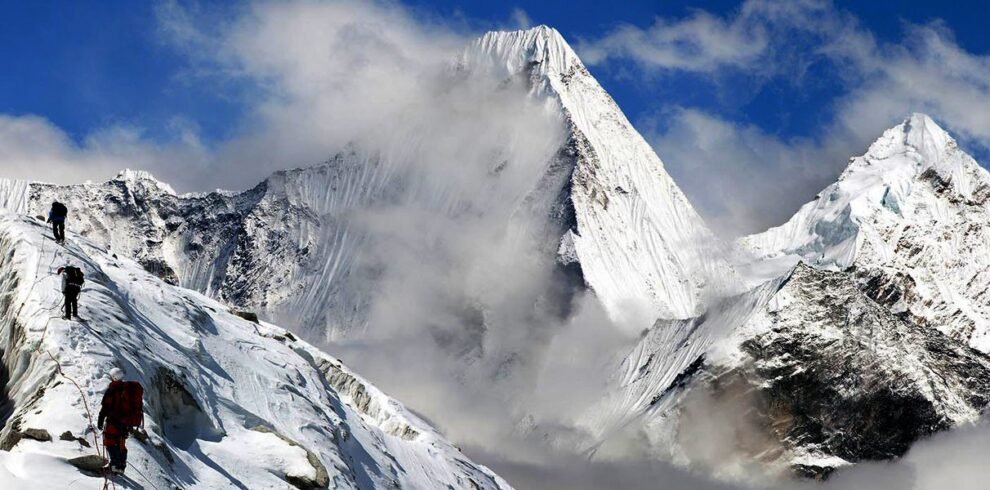
Government regulations require all foreign trekkers to travel with a licensed guide through a registered trekking company. Solo trekking without a guide is not permitted. For your safety, avoid unregistered operators, especially for high-altitude treks or remote regions.
4. Weather & Road Safety
Weather in the Himalayas can change quickly. Pack suitable clothing, including warm and waterproof layers, regardless of the season. Avoid traveling at night where possible, and use reliable transport services—especially during the monsoon season when road conditions may be affected.
5. Altitude & Health Precautions
Proper acclimatization is essential when trekking at higher elevations. Follow your guide’s advice, walk at a steady pace, and stay hydrated. Comprehensive travel insurance covering high-altitude medical care and emergency evacuation is mandatory for all trekkers.
6. Food, Water & Common Health Risks
Drink only bottled or purified water and eat freshly prepared meals. Basic precautions help prevent common health issues. Protect yourself from mosquito bites, be mindful of air pollution in cities, and avoid contact with stray animals to reduce the risk of rabies.
7. Local Laws, Customs & Responsible Travel
Respect local traditions, religious sites, and cultural practices. Dress modestly, especially in rural areas and temples. LGBTQIA+ travelers are welcome but should exercise discretion. Avoid illegal drugs and restricted photography. We encourage all travelers to support responsible and sustainable tourism throughout their journey.